
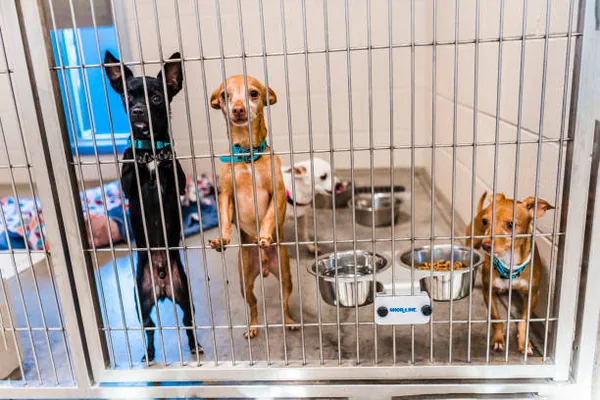
Boarding can be a great option when travel or other commitments take you away from home. Most pets do just fine, but spending time in an unfamiliar environment with new animals, different routines, and increased activity can occasionally lead to unexpected medical problems. Understanding these risks and taking a few preventative steps can help make your pet’s stay safer and more comfortable.
Common Medical Concerns Associated with Boarding
Gastrointestinal Upset
Vomiting and diarrhea are among the more common complaints following boarding. Stress, changes in routine, excitement, and dietary changes can all contribute to gastrointestinal upset. Some pets may also sneak food or treats belonging to other animals, leading to dietary indiscretion. Even a seemingly harmless change in food can cause digestive disturbances, particularly in pets with sensitive stomachs. While mild cases may resolve with supportive care, persistent vomiting, bloody diarrhea, lethargy, or decreased appetite warrant veterinary evaluation.
Accidental Wounds and Injuries
Even with appropriate supervision, placing multiple animals in an unfamiliar environment can create opportunities for accidental injuries. Dogs may become overly excited during play or have disagreements with other animals, resulting in scratches, bite wounds, punctures, or more significant injuries. Pets can also injure themselves through excessive activity, jumping, or attempts to escape unfamiliar surroundings. Remember that bite wounds can be deceptive, with small punctures sometimes hiding more significant tissue damage underneath the skin.
Foreign Body Ingestion
Some pets are naturally destructive, and boarding can provide new opportunities to chew or swallow things they shouldn’t. Bedding, blankets, toys, and other objects can become foreign bodies if ingested. Depending on the material and location, these objects can cause gastrointestinal obstructions that may require surgical intervention. Vomiting, decreased appetite, abdominal discomfort, and lethargy are common warning signs. This is particularly important for owners to communicate before boarding, especially if their pet has a history of chewing or destroying bedding and toys.
Respiratory Infections (Kennel Cough)
Canine infectious respiratory disease complex (CIRDC), commonly called kennel cough, is another potential complication of boarding. It involves several infectious organisms, including Bordetella bronchiseptica, canine parainfluenza, and other respiratory viruses and bacteria. These infections spread easily between dogs through respiratory droplets and contaminated surfaces.
The classic symptom is a dry, hacking cough that may sound as though something is stuck in the dog’s throat. Sneezing, nasal discharge, decreased appetite, and lethargy can also occur. Most cases are relatively mild, but some dogs can develop more serious respiratory disease, including pneumonia. Symptoms may not appear until several days after exposure, so a dog returning home seemingly healthy may develop a cough later.
Setting Your Pet Up for a Successful Boarding Experience
The best way to minimize boarding-related complications is to prepare ahead of time. No one knows your pet better than you do, and information that may seem insignificant at home can be extremely important to the people caring for them.
Be Honest About Your Pet’s Habits and Behavior
If your dog becomes anxious when separated from you, has a history of resource guarding, doesn’t get along with certain animals, or becomes destructive when left alone, let the boarding facility know. The same applies to habits such as chewing bedding, swallowing toys, escaping enclosures, or becoming overly stressed in unfamiliar environments.
These details aren’t about labeling your pet as difficult. They’re about helping staff make appropriate accommodations and avoid preventable problems. A dog who routinely destroys blankets at home probably shouldn’t be given unfamiliar bedding that could become a foreign body. The more information you provide, the better equipped the facility will be to care for your pet.
Make Sure Vaccinations Are Current
Most boarding facilities require proof of vaccination before accepting an animal. Common requirements for dogs include rabies, DHPP, Bordetella, and sometimes canine influenza. Cats commonly require rabies and FVRCP vaccinations. Requirements vary between facilities, so check ahead of time and bring documentation from your veterinary clinic rather than relying on verbal confirmation.
Bordetella vaccination deserves particular attention because it helps protect against Bordetella bronchiseptica, a common bacterial contributor to kennel cough. The vaccine is available in intranasal, oral, and injectable forms. Importantly, it does not prevent every cause of kennel cough, but it can reduce the likelihood and severity of illness.
Ideally, dogs should receive their Bordetella vaccination at least 1–2 weeks before boarding to allow time for an immune response. The appropriate schedule depends on the vaccine product and whether your dog is receiving an initial vaccination or booster. Some injectable products require an initial two-dose series, while certain intranasal and oral products require only one dose. Check with your veterinarian and boarding facility well in advance rather than waiting until drop-off.
Bring Your Pet’s Regular Food
One of the easiest ways to minimize gastrointestinal upset is to send your pet’s regular food. Boarding already introduces changes in routine and environment, so keeping their diet consistent eliminates one unnecessary variable. Prepackage enough food for the entire stay, with a little extra in case travel plans change. Include written instructions regarding meal frequency, portion sizes, and any restrictions on treats or additional foods.
Prepare Medications Ahead of Time
If your pet takes prescription medications or supplements, organize everything before drop-off. Whenever possible, send medications in their original labeled prescription containers and provide written instructions outlining the medication name, dosage, and administration schedule. Make sure there is enough medication for the entire stay, plus a little extra in case of unexpected delays.
If your pet has a medical condition requiring special monitoring, such as diabetes, seizure disorders, or heart disease, discuss this with the facility ahead of time. Not every boarding facility is equipped to manage every medical condition, so it is important to make sure your pet’s needs can be safely accommodated.
When Should You Contact a Veterinarian?
Most pets return home from boarding without significant medical concerns. However, monitor for vomiting, diarrhea, coughing, nasal discharge, decreased appetite, wounds, limping, or unusual lethargy over the following several days.
Repeated vomiting, bloody diarrhea, significant abdominal discomfort, difficulty breathing, collapse, or an inability to urinate warrant prompt veterinary attention.
At AcuteVet, we understand that boarding and time away from home are sometimes unavoidable. Our goal isn’t to discourage boarding, but to help owners understand potential complications and take reasonable steps to prevent them. A little preparation, honest communication, current vaccinations, and familiar food and medications can make a significant difference.
After all, no one knows your pet better than you do. Helping others understand what makes your pet unique is one of the best ways to set them up for a safe and successful stay.